Legacy Tech is Killing Your AEC Firm
Using legacy tech is killing your AEC firm’s growth. Discover how modern solutions like cloud desktops and specialized managed security services can improve productivity, protect your data, and future-proof your business.
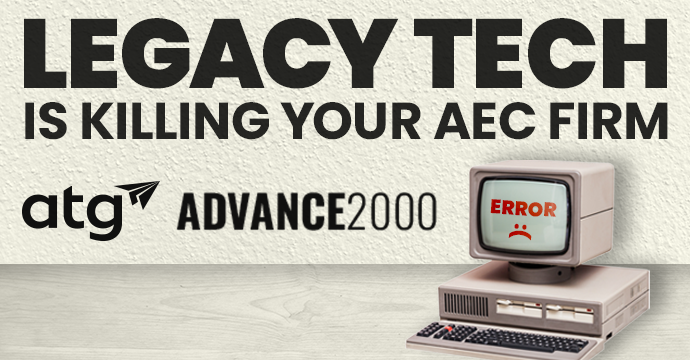
Using legacy technology is no longer just a minor inconvenience. For AEC firms, it’s a silent killer of productivity, security, growth, and even team morale.
This might not seem like a huge problem on the surface, but once processes start to slow it’s a much different story. In the AEC industry, where precision, speed, and collaboration are critical, relying on outdated systems can quietly erode your firm’s performance and competitiveness.
The Reality of Legacy Tech
Older computers, software, and network infrastructure are typically built for a different era of business needs and may no longer support modern workflows, scalability, or security requirements. Despite the availability of newer, more efficient, and more secure alternatives, many AEC firms continue to use this technology simply because it feels familiar. The reality is that these systems often struggle to keep up with modern workflows.
Large BIM files lag, collaboration tools crash, and IT teams spend more time patching issues than driving innovation. If you’re in charge of IT, BIM, or VDC, it’s worth asking, is your current tech stack helping your firm grow, or is it holding you back?
- Performance suffers when resource-intensive applications such as Revit or Navisworks run on outdated hardware.
- Security becomes a concern, as older systems often lack the protection needed to defend against ransomware and data breaches.
- Scalability is limited, making it difficult to support joint ventures or expand operations.
- The financial impact is real – constant maintenance, upgrades, and downtime drain both budgets and morale.
A Better Way Forward
Collaboration
Legacy systems make collaboration a constant battle against lag and crashes, especially among AEC professionals handling large design files or working with complex applications. With modern solutions such as Cloud desktops and Virtual Desktop Infrastructure (VDI), teams can eliminate these frustrations and collaborate from anywhere, whether they are in the office, on the job site, or working remotely. Even as project needs change, resources can be easily adjusted to match flow and keep costs predictable.
Security
When it comes to sensitive client data, proprietary designs, and financial information, legacy systems are a liability. Managed security services tailored for AEC firms offer network isolation, data sovereignty, and 24/7 threat monitoring, ensuring intellectual property is secure and protected. These services not only defend your firm against ransomware and breaches but also help meet compliance standards such as ISO 19650 and client-specific requirements, giving peace of mind to both internal teams and external partners.
Going Beyond Generic IT
What sets these solutions apart is that they’re built by AEC professionals who understand the industry’s unique challenges. Generic IT providers may not grasp the nuances of BIM workflows, tight project deadlines, or the need for seamless field collaboration. But platforms designed for AEC firms come with infrastructure optimized for design software, support teams fluent in BIM, and solutions that scale with your business.
Conclusion
Switching to cloud desktops, VDI, and managed security services doesn’t mean overhauling everything overnight. It’s about taking a strategic step toward future–proofing your operations. By moving away from legacy systems, you can protect your data, empower your teams, and position your firm for growth.